Several days ago, I had one of those experiences that just about any expat could relate to - you prepare your documents, make your appointment, triple-check everything - and then get confronted with "Oh no, that's not how it works." It's funny how very real, important issues like visas and immigration are ultimately the decision of a single person. If that border guard or that police officer or that consulate official decides they don't want to grant a visa... that's bad news for the expat/tourist/traveler/whatever. Even as I type this, tons of stories friends have told me are springing to mind - and now I have one to add to the pile.
Since this blog exists to track my expatriate progress, I feel obliged to write about it, especially because I would like to think that someone else might learn from my mistakes. So even though this story only proves that I don't know everything and I kind of hate that, I will explain what happened when I got turned down by the French consulate for a long-stay visa (see the previous post for the whole story as well).
All of my paperwork was perfectly in order and I made it to the French consulate in LA on time. The man I dealt with there... I'll call him FC. I had already filled out a Schengen Visa application form and bought in three copies, but FC told me I needed to fill out a long-stay visa application (note: these forms are 99% identical - the only difference was that everything was in French on the forms he gave me, and I had printed my copy from the French consulate website). I explained my situation to FC, told him about my friends in Paris and showed all types of proof that I could stay with them. FC told me "you don't need this visa at all, you can just use your passport."
Well, I replied, I am traveling for 8 months, and my US passport only allows me to stay in the Schengen area for 90 days...
No, no, he replies. You have 90 days in each country, and you can, for example, go to France for say, 10 days and then take a week off and go to Spain... when you return to France you will still have 80 days left. Stay in France for 20 more days, and go to Italy for 10 days. When you get back to Paris you will still have 60 days left. And every six months, this renews, so as long as you don't spend more than 90 days in France in a 6-month period, you can just keep doing this forever (that's me paraphrasing his words).
Sounds great, but it's just not true. In the most polite way possible, and without accusing him of being wrong, I said "it was my understanding that Americans get 90 days in the entire Schengen area, and I was advised to get a visa if I wanted to stay for 8 months." He tried to talk me out of it. It was the most surreal experience, to have the "administration" talk me out of following the rules, while I tried insist that I really only had 90 days to stay in the entire Schengen area with my US passport. If I leave the Schengen area and come back, I think I can do that once in a 6-month period. The law is set up so that I can't just keep flying to Turkey every three months. So in the end, my visa was denied - because FC said it just didn't apply to my situation. He still encouraged me to go to France, travel as I want, and just use my passport.
I was flabbergasted. I got in touch with an immigration lawyer in the states, and she backed up everything I know to be true, and confirmed that what FC told me is wrong. Could I fight it? Maybe. Do I want to? No. First of all, getting turned down for this visa cost me $175 USD, which still aggravates me. Secondly... France isn't even where I want to live. I know that schengen visa/long stay tourist visa would have come in handy and backed me up during my time in Amsterdam, but my passport already has a French visa, and a French titre de sejour from 2005-2007, and if I stuck another one in there and then eventually tried to permanently relocate to Amsterdam, things could get confusing.
So that's that for France. I emailed the lawyer and put forth this situation. "Let's say I arrive in Europe on 21 April and stay anywhere in the Schengen area until 20 July (three months). On that date, I'll fly to Belgrade or Sarajevo or somewhere that is not an Schengen/EU country and will stamp my passport. I'll stay in that area until say, 28 July (which I wanted to do anyway to research the documentary). Then when I arrive back in Schengen-Area-Europe, I'll have another three months. So I'll have to go back to the US on 28 November." The lawyer told me my plan was perfectly safe. I'm also pretty sure that I will find something else out there that contradicts this advice, and yes, that is frustrating.
I'm obviously not thrilled with the way the situation turned out, but that's mostly because my ego was a little bruised, since I had been confident that this would work. But honestly, the more I think about it, the less worried I am. More and more I think that my best way into Amsterdam, and into a real life in Europe, is either school or work - simple as that. My Binger Filmlab application went out a few days ago, and I am really pleased with how it came together. Even if I don't get accepted, the application process gave me a good kick in the ass - I spent many nights staying up until 2 or 3am after a long day at work, writing and re-writing my documentary treatment, researching everything I could about my topic, writing my essays, and updating my resume and website. I also learned more than I ever wanted to know about how to wire money from an American bank account to a Dutch bank (for the application fee). In addition to Binger, there are two Masters Programs at the University of Amsterdam that really, really appeal to me, so I'm going to go ahead and apply once I decide which one suits me better. And there is the possibility of a job at the editorial company in Portland/Amsterdam - I have a meeting on Friday morning to talk about that very topic.
I feel very fortunate to have such great friends all over the world that are rooting me on. The other day, I wrote an email to some of my friends that live in Paris and Amsterdam, telling them what had happened with the French consulate. I received some really sweet replies and more offers of help, suggestions on how to do things differently, or just to say "don't worry, you'll figure something out, you always do, and we can't wait to see you in April." Well, I don't always have everything figured out, but as long as I learn something important from the experience, it's worth it.
But I'm still really annoyed about that $175.


February 28, 2008
Paperwork
Jumping right into this topic.
As an American, I am allowed to stay in Holland - and the entire Schengen Area - for three months with just a passport. I know three months isn't enough time for me to figure out if I can make my desire to live in Amsterdam a reality, so I'm applying for a long-stay Schengen Visa, valid for about eight months. Because I'm flying into Paris, I need to apply to the French Consulate - France is my "port of entry" into the Schengen area. This visa won't allow me to (legally) work or declare residency anywhere, but it will serve one very important purpose - I won't get deported for staying in Europe for more than three months if someone asks to see my passport.
 Since right now my plan is to stay in Europe from 21 April - 22 December 2008 (at the very least), I need to cover myself. If someone stops me on a street in Amsterdam come October, I need to be able to show that I was granted permission to travel within the Schengen area and that I'm just another tourist.
It's not exactly a fun process to get this visa, which shouldn't come as a surprise. First, I need to get a police report that says I have no criminal record (if you do, I don't know what that means, but I assume it makes things more difficult). To obtain that report, I have to go to the police station in the county where I reside (which is currently Los Angeles). The police just need to see a valid ID that indicates I live in the county that they serve, then they look me up and print out some kind of official letter stating I'm not a criminal. However, as of this morning, I did not have any ID that shows I live in California - my drivers license is from New York (pay attention, Americans, this is important for you to know). So that meant that this morning I had to go to the Department of Motor Vehicles and exchange my New York ID for a California ID. It took about two hours, cost $26, and they required me to provide a thumb print, pass a 36-question written test, take a vision test, and tell them how much I weigh. California is strange.
Now that I have an ID that clearly indicates I live in Los Angeles County, my next stop is the Records & Identification Division of the Los Angeles County Police Department for the police clearance ($15). After that is accomplished, I just need to gather every single piece of documentation imaginable (birth certificate, social security card, etc.) and take all of that to the French Consulate in Los Angeles this upcoming Tuesday, 4 March. Here is an important thing to keep in mind if you don't live in a major US city - there are exactly ten French Consulates in the entire United States. There are just five Dutch Consulates. It is possible to do everything by mail, but be aware that will take much longer than doing it all in person.
What exactly do you need to prove to get a long-stay visa? The most important thing is finances. Somehow you need to convince your Port-of-Entry country that you are not going to seek any paid employment or government services, and that you have enough money to support yourself for the duration of your stay. You also need to have already purchased your flight tickets that clearly indicate your return date to the US (yes, before they grant you a visa, you need to spend the money on the plane tickets). You need to have health insurance that is valid in your port-of-entry country and be able to prove you have a place to stay when you arrive. You will also have to write a letter stating why you want the visa and promising not to seek employment AND if you've done any traveling in the past three years, you need to be able to list that (just go by the stamps in your passport).
Health insurance is easy - there are a million places to buy "Travelers Insurance," and it's not terribly expensive. France requires coverage of up to 37,000 Euros, and Specialty Risk is just one place that offers very comprehensive policies at about $30 a month for European travel (not that I'm surprised, but rates double if you wanted to be covered in the US). As far as a place to stay - I'm lucky that I still have very close friends in Paris that will host me and submit the information I need... and it's a lot of information. They need to write a letter stating they will host me, provide a copy of their lease and proof of income, and explain their relationship to me. If you know people that might help you out like this but don't have a real, legit, legal lease/housing contact - it won't work.
My flight tickets have been purchased, so that's done. Now the only issue is money and my letter - which will be almost entirely honest. I will say that I plan to travel through Europe for 8 months to visit friends, be a tourist, and check out graduate schools. I'm going to leave out the part where I hope to stay in Europe and live in Amsterdam. Because who knows? Maybe I'll change my mind, right? As far as finances go, I can show my recent paystubs and prove that I'll have enough savings before I go.
It does seem a little weird to be doing all of this through France when the idea is to live in Amsterdam. If I was flying into Amsterdam, I would have to apply for the same type of visa, but to the Dutch consulate. Even though it's hard for me to believe, the Dutch immigration laws are even more strict and rigid than they are in France in a lot of ways, and I would rather avoid Holland even knowing that I exist until I figure out a legal way to live there. I also don't have any friends in Amsterdam that I would feel comfortable asking to vouch for me the way my friends in Paris will. The couple in Paris that is helping me out have been my friends for several years, and know and trust me.
I hope this isn't too confusing. I know that not everyone who is looking for advice on this type of thing will find all the details I provided helpful, but my point in explaining it is to point out that there are a lot of ways of staying in Europe, even if it doesn't seem obvious right away. An Australian friend of mine who moved to Berlin over a year ago recently told me a couple things I never heard before (if Amsterdam doesn't work out, I think I really will try Berlin). These are her words, which I edited down a bit just to get to the end of this post already:
In Germany, there are multiple visa options.... A) the Freelance visa. This is the magic ticket for most Americans/Australians/etc. in Germany. It's name might not be obvious... on all official websites etc. in Germany, this looks like a visa for people who want to set up a business, but in fact you can get it for any freelance work. B) the Student visa. Magically, in Germany, student visas aren't just for people enrolled in degree courses. You can also get a student visa for up to two years to study German. You need proof of enrolment at a language school (but you don't need to enrol more than say 3 months to get a two year visa).
This long-stay visa is something I've done before, and this time around I actually got guidance from an immigration lawyer. If I run into any trouble along the way, I'll be sure to write about it. I have received so much assistance from friends (and strangers!) over the years when it comes to this type of stuff, and I hope that I can help others learn through my experiences. Plus, keeping a blog is a great way to procrastinate when I really should be gathering my paperwork, updating my resume, and finding my plane tickets.
And thanks to all of the folks who have gotten in touch with me lately to offer encouragement or advice. It's always great to hear from anyone who is reading!
As an American, I am allowed to stay in Holland - and the entire Schengen Area - for three months with just a passport. I know three months isn't enough time for me to figure out if I can make my desire to live in Amsterdam a reality, so I'm applying for a long-stay Schengen Visa, valid for about eight months. Because I'm flying into Paris, I need to apply to the French Consulate - France is my "port of entry" into the Schengen area. This visa won't allow me to (legally) work or declare residency anywhere, but it will serve one very important purpose - I won't get deported for staying in Europe for more than three months if someone asks to see my passport.
 Since right now my plan is to stay in Europe from 21 April - 22 December 2008 (at the very least), I need to cover myself. If someone stops me on a street in Amsterdam come October, I need to be able to show that I was granted permission to travel within the Schengen area and that I'm just another tourist.
 It's not exactly a fun process to get this visa, which shouldn't come as a surprise. First, I need to get a police report that says I have no criminal record (if you do, I don't know what that means, but I assume it makes things more difficult). To obtain that report, I have to go to the police station in the county where I reside (which is currently Los Angeles). The police just need to see a valid ID that indicates I live in the county that they serve, then they look me up and print out some kind of official letter stating I'm not a criminal. However, as of this morning, I did not have any ID that shows I live in California - my drivers license is from New York (pay attention, Americans, this is important for you to know). So that meant that this morning I had to go to the Department of Motor Vehicles and exchange my New York ID for a California ID. It took about two hours, cost $26, and they required me to provide a thumb print, pass a 36-question written test, take a vision test, and tell them how much I weigh. California is strange.
Now that I have an ID that clearly indicates I live in Los Angeles County, my next stop is the Records & Identification Division of the Los Angeles County Police Department for the police clearance ($15). After that is accomplished, I just need to gather every single piece of documentation imaginable (birth certificate, social security card, etc.) and take all of that to the French Consulate in Los Angeles this upcoming Tuesday, 4 March. Here is an important thing to keep in mind if you don't live in a major US city - there are exactly ten French Consulates in the entire United States. There are just five Dutch Consulates. It is possible to do everything by mail, but be aware that will take much longer than doing it all in person.
What exactly do you need to prove to get a long-stay visa? The most important thing is finances. Somehow you need to convince your Port-of-Entry country that you are not going to seek any paid employment or government services, and that you have enough money to support yourself for the duration of your stay. You also need to have already purchased your flight tickets that clearly indicate your return date to the US (yes, before they grant you a visa, you need to spend the money on the plane tickets). You need to have health insurance that is valid in your port-of-entry country and be able to prove you have a place to stay when you arrive. You will also have to write a letter stating why you want the visa and promising not to seek employment AND if you've done any traveling in the past three years, you need to be able to list that (just go by the stamps in your passport).
Health insurance is easy - there are a million places to buy "Travelers Insurance," and it's not terribly expensive. France requires coverage of up to 37,000 Euros, and Specialty Risk is just one place that offers very comprehensive policies at about $30 a month for European travel (not that I'm surprised, but rates double if you wanted to be covered in the US). As far as a place to stay - I'm lucky that I still have very close friends in Paris that will host me and submit the information I need... and it's a lot of information. They need to write a letter stating they will host me, provide a copy of their lease and proof of income, and explain their relationship to me. If you know people that might help you out like this but don't have a real, legit, legal lease/housing contact - it won't work.
My flight tickets have been purchased, so that's done. Now the only issue is money and my letter - which will be almost entirely honest. I will say that I plan to travel through Europe for 8 months to visit friends, be a tourist, and check out graduate schools. I'm going to leave out the part where I hope to stay in Europe and live in Amsterdam. Because who knows? Maybe I'll change my mind, right? As far as finances go, I can show my recent paystubs and prove that I'll have enough savings before I go.
It does seem a little weird to be doing all of this through France when the idea is to live in Amsterdam. If I was flying into Amsterdam, I would have to apply for the same type of visa, but to the Dutch consulate. Even though it's hard for me to believe, the Dutch immigration laws are even more strict and rigid than they are in France in a lot of ways, and I would rather avoid Holland even knowing that I exist until I figure out a legal way to live there. I also don't have any friends in Amsterdam that I would feel comfortable asking to vouch for me the way my friends in Paris will. The couple in Paris that is helping me out have been my friends for several years, and know and trust me.
I hope this isn't too confusing. I know that not everyone who is looking for advice on this type of thing will find all the details I provided helpful, but my point in explaining it is to point out that there are a lot of ways of staying in Europe, even if it doesn't seem obvious right away. An Australian friend of mine who moved to Berlin over a year ago recently told me a couple things I never heard before (if Amsterdam doesn't work out, I think I really will try Berlin). These are her words, which I edited down a bit just to get to the end of this post already:
In Germany, there are multiple visa options.... A) the Freelance visa. This is the magic ticket for most Americans/Australians/etc. in Germany. It's name might not be obvious... on all official websites etc. in Germany, this looks like a visa for people who want to set up a business, but in fact you can get it for any freelance work. B) the Student visa. Magically, in Germany, student visas aren't just for people enrolled in degree courses. You can also get a student visa for up to two years to study German. You need proof of enrolment at a language school (but you don't need to enrol more than say 3 months to get a two year visa).
This long-stay visa is something I've done before, and this time around I actually got guidance from an immigration lawyer. If I run into any trouble along the way, I'll be sure to write about it. I have received so much assistance from friends (and strangers!) over the years when it comes to this type of stuff, and I hope that I can help others learn through my experiences. Plus, keeping a blog is a great way to procrastinate when I really should be gathering my paperwork, updating my resume, and finding my plane tickets.
And thanks to all of the folks who have gotten in touch with me lately to offer encouragement or advice. It's always great to hear from anyone who is reading!
February 21, 2008
Deadlines are approaching
The 15th of March is the deadline for my Binger application - a date that has always seemed very far away, until I realized yesterday that it's only another three weeks! The more I learn about this school, the more I think I'm not qualified enough to make it in, which only makes me want to get in that much more. The biggest part of the problem in getting a good start on the application was how to approach the essays - the questions are simple and annoyingly vague - "the reasons and motivation for applying at this stage in your career" and "your key goals in following the programme." The reason I had a difficult time getting started answering is because there are two options for applying to the Creative Producers Programme- as a producer with a project i.e. participating in the programme with a writer engaged on the Script Development Programme OR as a producer without a project who participates in the programme to develop his/her skills in working with writers and directors while enhancing understandings of dramatic forms, style and structure.
The thing is, I do have an idea, and I'm quite serious about making it happen. However, I also realize that it's just simply not developed enough at this stage to sell anyone else on what it is I want to do (I will come back to this in a minute). It's a nice thought that I could take my brilliant idea to Binger, and they would say "welcome, let us help you realize this!" But realistically? I don't have a writer - I'm the writer. And the film is a documentary, and Binger does not seem to turn out a lot of documentary work. I considered just giving up on the idea of Binger altogether, but then I thought... well, why not go for option two? I mean, option two describes me a lot better anyway. So I am applying as someone without a project who wants to develop my skills. If I get in, whatever I can learn is only going to benefit me.
In the past several weeks, I have been soaking up everything I can (with what limited time I have) on video blogging, and getting a lot of great information from sites like Moment Showing, Ryan Is Hungry, and the Semanal Project. All of these places have links to tutorials for putting video up on the web and making better use of blogging software, and there's just something about this medium that is really, really speaking to me right now. I spoke about this a few weeks ago, and the reason I mention it again is because I'm starting to think of all of the different options I have as a future "documentary filmmaker." I don't need a team of writers to accomplish my goal. The project I want to work on is very, very close to my heart. I want to make it my way - and of course get help as I go along - but I don't necessarily think that workshopping it for 5 months at a school is really something that would help, in the grand scheme of things. My ultimate goal isn't to make money with this film, it's to try and change the world. And it's selfish as well - it's giving me a reason to stay creative and to start taking on more responsibility, and it's the driving force behind me moving back to Europe.
However, it's not going to be my full-time job or my only mission. I also want to work on other video projects, and honestly, I would welcome the opportunity to work on a film that is a bit lighter in subject than what I'm used to thinking about. One of the reasons I chose Amsterdam for my next home is because even just as a visitor in that city, I've noticed the very vibrant, creative, international community of people that populate the area. I know I'll find my place somehow, and as I work on my application to Binger, I'm also thinking about essays I'm going to be writing for graduate schools. I'm thinking about any other skills I might have, like working in tourism (I gave walking tours in Paris for close to a year), that might be worth considering again. I'm thinking about not actually settling down anywhere, but spending 3 months a year in NYC, three months in Sarajevo, six months in Amsterdam or Paris - everything is a possibility right now.
But ideally, Amsterdam will be my home base. And since I have plane tickets that put me there from April 23 - December 22nd, I'm going to have to work on how exactly I'm going to do that without getting deported. I have a plan for that (even if everything else fails) that I will go into in my next post.
The thing is, I do have an idea, and I'm quite serious about making it happen. However, I also realize that it's just simply not developed enough at this stage to sell anyone else on what it is I want to do (I will come back to this in a minute). It's a nice thought that I could take my brilliant idea to Binger, and they would say "welcome, let us help you realize this!" But realistically? I don't have a writer - I'm the writer. And the film is a documentary, and Binger does not seem to turn out a lot of documentary work. I considered just giving up on the idea of Binger altogether, but then I thought... well, why not go for option two? I mean, option two describes me a lot better anyway. So I am applying as someone without a project who wants to develop my skills. If I get in, whatever I can learn is only going to benefit me.
In the past several weeks, I have been soaking up everything I can (with what limited time I have) on video blogging, and getting a lot of great information from sites like Moment Showing, Ryan Is Hungry, and the Semanal Project. All of these places have links to tutorials for putting video up on the web and making better use of blogging software, and there's just something about this medium that is really, really speaking to me right now. I spoke about this a few weeks ago, and the reason I mention it again is because I'm starting to think of all of the different options I have as a future "documentary filmmaker." I don't need a team of writers to accomplish my goal. The project I want to work on is very, very close to my heart. I want to make it my way - and of course get help as I go along - but I don't necessarily think that workshopping it for 5 months at a school is really something that would help, in the grand scheme of things. My ultimate goal isn't to make money with this film, it's to try and change the world. And it's selfish as well - it's giving me a reason to stay creative and to start taking on more responsibility, and it's the driving force behind me moving back to Europe.
However, it's not going to be my full-time job or my only mission. I also want to work on other video projects, and honestly, I would welcome the opportunity to work on a film that is a bit lighter in subject than what I'm used to thinking about. One of the reasons I chose Amsterdam for my next home is because even just as a visitor in that city, I've noticed the very vibrant, creative, international community of people that populate the area. I know I'll find my place somehow, and as I work on my application to Binger, I'm also thinking about essays I'm going to be writing for graduate schools. I'm thinking about any other skills I might have, like working in tourism (I gave walking tours in Paris for close to a year), that might be worth considering again. I'm thinking about not actually settling down anywhere, but spending 3 months a year in NYC, three months in Sarajevo, six months in Amsterdam or Paris - everything is a possibility right now.
But ideally, Amsterdam will be my home base. And since I have plane tickets that put me there from April 23 - December 22nd, I'm going to have to work on how exactly I'm going to do that without getting deported. I have a plan for that (even if everything else fails) that I will go into in my next post.
February 15, 2008
Let's talk details: honestly, how am I really going to do this?
With just sixty-five days left (not that I'm counting down or anything) until I'm back in Europe, it really is time to start thinking very seriously about exactly how I'm going to do this.
I know I want to establish myself there. And while I talk a lot about Amsterdam on this blog, I do want it to be known that I'm not married to the idea of living there for the rest of my life. I don't have a very good track record of sticking around, so as much as I'd like to think that me and Amsterdam belong together - that has yet to be seen. But I am sure that I want to be in Europe. First and foremost, because I am committed to the idea of making a documentary in the former Yugoslavia. I want to put filmmaking/videomaking first, everything else second. I want to combine my insatiable curiosity and passion for European history and politics with my love for documentary work, and hopefully find a community of people who share similar interests.
So I'm clear on my passions. I know I love Amsterdam and I can't wait to try and make my life there. And yes, I am very, very, very nervous and anxious about doing all of this on my own. I think I get a lot of undeserved credit for deciding to make this move, but the thing that just outright confuses me is when people say "you're so lucky!" I don't get that. Anyone - certainly any American - could do exactly what I'm doing. It's easier because I don't have kids, a house, or a family to support. But otherwise... luck? I decided to quit a really great job in New York City and leave most of my friends and family to move to a country that is already too crowded, where I hardly know anyone, I don't know the language, and the weather sucks. If I succeed in making Amsterdam my home, then maybe one can say I'm lucky ... but if I do succeed it will be because I worked my ass off on making it happen.
I'm trying to think in terms of a five-year plan. If I really, really want to make this documentary the way it should be made, I need at least five years in Europe. If I want to establish any kind of professional life, I'm going to need a lot of time to meet people and make connections - way more time than I would need if I moved to some random city in the US. As much as I wish that I could just live anywhere in the world that I want simply because I like it, that's just not the way the world works, and I need to accept that reality. So how does a 28-year-old American go about re-establishing a life in Europe?
There's still a shot at a job in Amsterdam, working in post-production for an American-owned company. If that doesn't work, then there's the Binger Filmlab. If I don't get accepted into Binger, I need to think of other ways to fill my time and eventually make some money... savings are only going to last so long. Well, I started dusting off an old idea, which is going for a Masters degree at a European university. I'm the first one to say that for just about everything I'm interested in (film, history, current European politics), I don't need a school to give me a degree in order to learn about the subject. To learn about filmmaking, I can make films on my own. To learn about history, I can read books. If I want to talk politics, there's a zillion places for that. So is it really worth it, o spend a bunch of money to get a degree in something just because I like it? Someone who gets a Masters in Law, or Business, or some kind of Computer Science... they'll likely go on to make a lot of money and be able to justify the expense. Me, I want to make documentaries and try to change the world. Last time I checked, that is not exactly a lucrative business.
But perhaps - if the job and the Binger filmlab don't work out - thinking about grad school in Europe isn't such a bad idea. It gives me a valid reason to be where I want to be. It may make me more appealing to future European employers ... I don't think it could hurt. I've been doing a lot of research on this lately and opened up my search to just about anywhere in Europe that isn't the UK or Ireland (nothing again those countries, they're wonderful places to visit but I wouldn't want to live there). Of course, because I seem to enjoy making life difficult for myself, I eliminated every native-English-speaking country from the list of places I would want to live - even though English is the only language I can speak fluently (I can get by with conversational, informal French and have some high school Spanish, but that's about it). So what other country offers an impressive list of graduate programs that are all taught in English?
The Netherlands, of course. "The Dutch higher education institutions together offer about 1,300 international study programmes and courses which are taught entirely in English. This makes Holland the front-runner in continental Europe." Even when I open my mind up to going somewhere that isn't in the Netherlands, I get pulled back. There are plenty of English-language programs in Germany, and even in the Czech Republic, Poland, and Estonia - but nothing quite compares to the options offered at the various universities in Holland.
Not to worry (in case you were worried, you, the random person reading my blog), this is not something I'm rushing into. It's just an idea, and I'm in the information-gathering stage. Even thinking in the long-term is a pretty scary idea for me, but I acknowledge that it might be nice to live somewhere for more than two years. Who knows, maybe Amsterdam will be that place.
When I check in on the visitor stats to this blog, it excites me to see that more than half of the people are from European countries. I really hope to use this blog as a way to meet people once I'm back in Europe, and maybe even help someone else who is considering moving abroad. When I first moved to Paris a few years ago, I didn't know anyone there. I honestly attribute most of the reason I ended up living in Paris to one woman named Fran, who without knowing me in person (we met in a move-to-Paris online community), agreed to host me and my then-boyfriend at her apartment for a few nights back in 2004. Beyond just giving me a roof over my head, she also introduced me to some of her friends - so by the time I moved there, I had a few people I could call up for a cup of coffee or glass of wine. I have met so many incredible people from Hospitality Club, social networking sites, blogs, travel forums, and message boards - this way of connecting is really very important to me. Nothing beats just going out to a party or a bar and striking up random conversation in person, but it sure does help to know of one friendly person who will invite you out to that party or bar to help get you started.
Comments are always welcome, and I'm also very reachable by email or through my website, which is in pretty desperate need of an overhaul and update. So much to do....
I know I want to establish myself there. And while I talk a lot about Amsterdam on this blog, I do want it to be known that I'm not married to the idea of living there for the rest of my life. I don't have a very good track record of sticking around, so as much as I'd like to think that me and Amsterdam belong together - that has yet to be seen. But I am sure that I want to be in Europe. First and foremost, because I am committed to the idea of making a documentary in the former Yugoslavia. I want to put filmmaking/videomaking first, everything else second. I want to combine my insatiable curiosity and passion for European history and politics with my love for documentary work, and hopefully find a community of people who share similar interests.
So I'm clear on my passions. I know I love Amsterdam and I can't wait to try and make my life there. And yes, I am very, very, very nervous and anxious about doing all of this on my own. I think I get a lot of undeserved credit for deciding to make this move, but the thing that just outright confuses me is when people say "you're so lucky!" I don't get that. Anyone - certainly any American - could do exactly what I'm doing. It's easier because I don't have kids, a house, or a family to support. But otherwise... luck? I decided to quit a really great job in New York City and leave most of my friends and family to move to a country that is already too crowded, where I hardly know anyone, I don't know the language, and the weather sucks. If I succeed in making Amsterdam my home, then maybe one can say I'm lucky ... but if I do succeed it will be because I worked my ass off on making it happen.
I'm trying to think in terms of a five-year plan. If I really, really want to make this documentary the way it should be made, I need at least five years in Europe. If I want to establish any kind of professional life, I'm going to need a lot of time to meet people and make connections - way more time than I would need if I moved to some random city in the US. As much as I wish that I could just live anywhere in the world that I want simply because I like it, that's just not the way the world works, and I need to accept that reality. So how does a 28-year-old American go about re-establishing a life in Europe?
There's still a shot at a job in Amsterdam, working in post-production for an American-owned company. If that doesn't work, then there's the Binger Filmlab. If I don't get accepted into Binger, I need to think of other ways to fill my time and eventually make some money... savings are only going to last so long. Well, I started dusting off an old idea, which is going for a Masters degree at a European university. I'm the first one to say that for just about everything I'm interested in (film, history, current European politics), I don't need a school to give me a degree in order to learn about the subject. To learn about filmmaking, I can make films on my own. To learn about history, I can read books. If I want to talk politics, there's a zillion places for that. So is it really worth it, o spend a bunch of money to get a degree in something just because I like it? Someone who gets a Masters in Law, or Business, or some kind of Computer Science... they'll likely go on to make a lot of money and be able to justify the expense. Me, I want to make documentaries and try to change the world. Last time I checked, that is not exactly a lucrative business.
But perhaps - if the job and the Binger filmlab don't work out - thinking about grad school in Europe isn't such a bad idea. It gives me a valid reason to be where I want to be. It may make me more appealing to future European employers ... I don't think it could hurt. I've been doing a lot of research on this lately and opened up my search to just about anywhere in Europe that isn't the UK or Ireland (nothing again those countries, they're wonderful places to visit but I wouldn't want to live there). Of course, because I seem to enjoy making life difficult for myself, I eliminated every native-English-speaking country from the list of places I would want to live - even though English is the only language I can speak fluently (I can get by with conversational, informal French and have some high school Spanish, but that's about it). So what other country offers an impressive list of graduate programs that are all taught in English?
The Netherlands, of course. "The Dutch higher education institutions together offer about 1,300 international study programmes and courses which are taught entirely in English. This makes Holland the front-runner in continental Europe." Even when I open my mind up to going somewhere that isn't in the Netherlands, I get pulled back. There are plenty of English-language programs in Germany, and even in the Czech Republic, Poland, and Estonia - but nothing quite compares to the options offered at the various universities in Holland.
Not to worry (in case you were worried, you, the random person reading my blog), this is not something I'm rushing into. It's just an idea, and I'm in the information-gathering stage. Even thinking in the long-term is a pretty scary idea for me, but I acknowledge that it might be nice to live somewhere for more than two years. Who knows, maybe Amsterdam will be that place.
When I check in on the visitor stats to this blog, it excites me to see that more than half of the people are from European countries. I really hope to use this blog as a way to meet people once I'm back in Europe, and maybe even help someone else who is considering moving abroad. When I first moved to Paris a few years ago, I didn't know anyone there. I honestly attribute most of the reason I ended up living in Paris to one woman named Fran, who without knowing me in person (we met in a move-to-Paris online community), agreed to host me and my then-boyfriend at her apartment for a few nights back in 2004. Beyond just giving me a roof over my head, she also introduced me to some of her friends - so by the time I moved there, I had a few people I could call up for a cup of coffee or glass of wine. I have met so many incredible people from Hospitality Club, social networking sites, blogs, travel forums, and message boards - this way of connecting is really very important to me. Nothing beats just going out to a party or a bar and striking up random conversation in person, but it sure does help to know of one friendly person who will invite you out to that party or bar to help get you started.
Comments are always welcome, and I'm also very reachable by email or through my website, which is in pretty desperate need of an overhaul and update. So much to do....
February 8, 2008
A little dose of Los Angeles, a little bit of late-night contemplating
After a few lovely days in Portland, Oregon, I headed south to my new home - Los Angeles, California. My life here is drastically different than my life in New York City. I drive to work instead of taking the subway or riding a bike, I haven't heard a single car alarm, I go to sleep relatively early, and I work in an accounting office. I also feel like I've been tired for the last two weeks straight and am craving a weekend where I don't have to work, celebrate, travel, pack, move, or plan to travel or move or work.
Once I sleep for twelve hours straight and get some decent coffee, I'm going to sit down and start focusing on the not-too-distant future. In just two and half months, I'll be back in Europe! That's starting to seem not too far away, and there's so much to do. I have been thinking about a new direction I want to take with the documentary I plan to produce, which is something I know I mention from time to time on this blog, but haven't really elaborated upon the details. If you're a new reader, all you really have to know is that I'm planning to make a documentary in Eastern Europe and trying to use the idea to get accepted into the Binger Filmlab in Amsterdam, a "a post academic training facility for film professionals." While the application process isn't all that complicated, it does require all kinds of serious thinking and writing and commitment. I haven't had the mental energy for any kind of serious writing or thinking lately, but I need to focus. As soon as I get some sleep.
I finished reading "Amsterdam: A Brief Life of the City" by Geert Mak, and ever since I've been randomly dropping Dutch history tidbits in my conversations with friends and family (a word to the wise: unless you really, really care - never bring up Greenland with me, especially if I've had a few drinks, because I will go on and on). Sometimes I think about getting a masters degree in some area of European history, if it wasn't so expensive - the last time I researched that idea was in 2006, when all I wanted to do was devour every book on French history ever written. But it would cost about triple the price for me to attend a university in Europe (versus an EU citizen). Besides, understanding European history and politics is a passion of mine - maybe something a little more than a hobby or interest, but is it really something I would want to study formally? Actually, the answer to that is yes, I'm just not willing to go into debt in order to make that happen. Then again, my grades in college weren't so bad, so maybe there would be scholarship options available?
Now I'm just thinking out loud, which means it's time to stop writing. My first choice is to get into Binger, but I should start thinking more about alternative plans.
Once I sleep for twelve hours straight and get some decent coffee, I'm going to sit down and start focusing on the not-too-distant future. In just two and half months, I'll be back in Europe! That's starting to seem not too far away, and there's so much to do. I have been thinking about a new direction I want to take with the documentary I plan to produce, which is something I know I mention from time to time on this blog, but haven't really elaborated upon the details. If you're a new reader, all you really have to know is that I'm planning to make a documentary in Eastern Europe and trying to use the idea to get accepted into the Binger Filmlab in Amsterdam, a "a post academic training facility for film professionals." While the application process isn't all that complicated, it does require all kinds of serious thinking and writing and commitment. I haven't had the mental energy for any kind of serious writing or thinking lately, but I need to focus. As soon as I get some sleep.
I finished reading "Amsterdam: A Brief Life of the City" by Geert Mak, and ever since I've been randomly dropping Dutch history tidbits in my conversations with friends and family (a word to the wise: unless you really, really care - never bring up Greenland with me, especially if I've had a few drinks, because I will go on and on). Sometimes I think about getting a masters degree in some area of European history, if it wasn't so expensive - the last time I researched that idea was in 2006, when all I wanted to do was devour every book on French history ever written. But it would cost about triple the price for me to attend a university in Europe (versus an EU citizen). Besides, understanding European history and politics is a passion of mine - maybe something a little more than a hobby or interest, but is it really something I would want to study formally? Actually, the answer to that is yes, I'm just not willing to go into debt in order to make that happen. Then again, my grades in college weren't so bad, so maybe there would be scholarship options available?
Now I'm just thinking out loud, which means it's time to stop writing. My first choice is to get into Binger, but I should start thinking more about alternative plans.
January 31, 2008
Timely inspiration
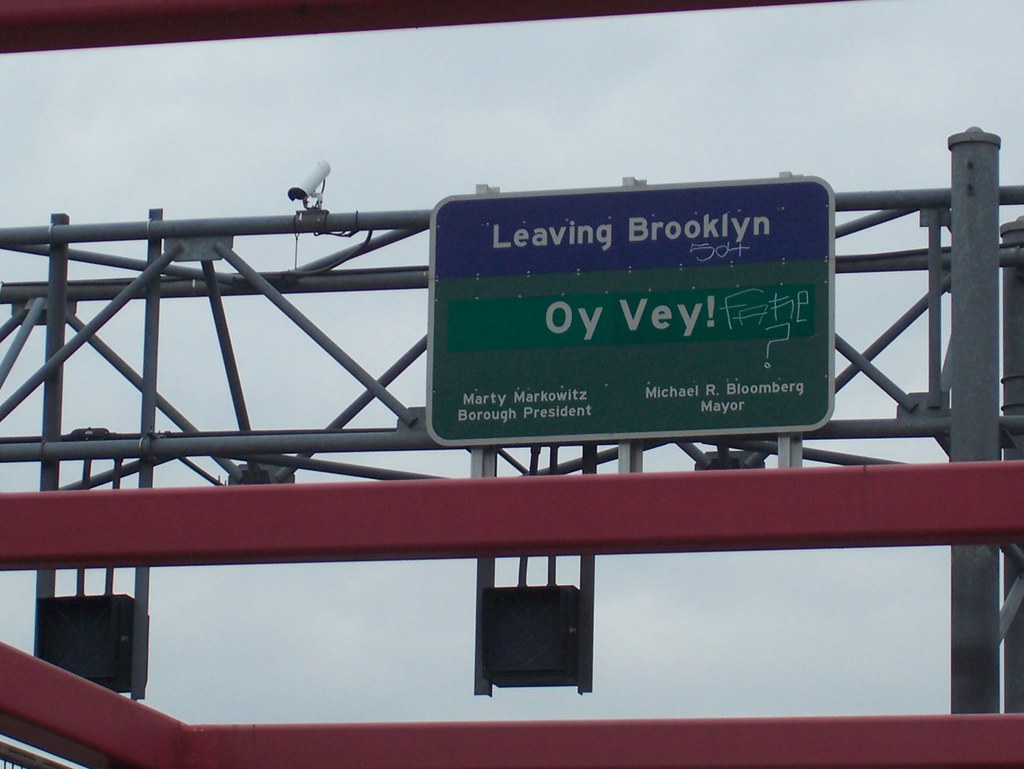 It's official: I am no longer a New York State resident. I gave away all of my furniture and books, got rid of five pairs of shoes (!), and forced all of my possessions into one large suitcase and one backpack. Even though I spent my last day in New York slightly hungover and very stressed about getting everything done (I packed at the last minute, as usual), I was in good spirits. I had a very easy flight to Portland, Oregon on 29 January, and I will remain here until 3 February. It's a great city - despite the chilly temperatures and constant rain, there are still tons of people out there riding their bicycles, which I think speaks very highly of the people who live here.
 After my last day of work in NYC (which was 25 January), I spent a quiet Friday night at a friend's place. I took the opportunity to catch up on the podcasts posted on Citizen Reporter, a blog run by a good friend of mine who lives in Amsterdam. One of his recent podcasts was an interview with two video bloggers, and it couldn't have come along at a better time. Now, leaving my job is something that I've been planning to do for a long time and on my last day, I felt mostly excited. But I was also conflicted up until the last minute - I genuinely liked my job, I enjoyed the company of my co-workers, and I really, really like working in post-production. However, I have bigger goals. Even though this makes me sound like some kind of idealist hippie, I really want to help change the world. I want to eventually make a feature-length documentary, but even before that, I want to start producing shorter video projects that help other people tell their stories. I want to get more people to start caring about the world about them.
I heard a lot of my own thoughts said in a much smarter, more experienced, more articulate voice when I listened to the interview with Ryan (of Ryan Is Hungry) and Jay (of Moment Showing). These two people, in one thirty-minute interview, squashed every speck of doubt I had about quitting my job to run off and try and change the world. They are ex-television producers/editors and now they teach video blogging techniques all over the world ... I'll be honest, I kind of want to be these people when I grow up. Except I already am grown up, and I don't have to wait, and I don't need any more affirmation that what I want to do is a valid choice. I made the decision to leave, I have my plane tickets for Europe (depart NYC on 20 April, arrive in Paris on 21 April), and I am determined to do my best to help make a real difference. It just so happens that what I'm passionate about takes me outside my home country, so I need to figure out a way to make a real life for myself in Europe. I really hope that Amsterdam is a place I can live and make my home, but if it doesn't work out - well, Europe is a pretty large continent, and I should learn more languages anyway.
If you're looking for a little inspiration, listen to the interview. I feel very fortunate to have such smart and inspiring friends.
January 22, 2008
The Amsterdam housing market (for renters)
A friend of mine recently passed along last week's very educational issue of Amsterdam Weekly to me. I think anyone who is thinking about moving to Amsterdam should immediately read Volume 5, Issue 2, 10-16 January 2008 - just brace yourself first. This blog post references some of the "highlights," and this link will bring you to the page where you can download the PDF. If they stop archiving back issues, contact me and I will email it to you. The topic: Mapping the Rental Housing Market. On page three, the reader is greeted by the friendly words, "If you are a visitor and in the midst of being charmed by this easy going ol' town and are beginning like many before you to entertain the idea of moving here, don’t fucking bother. We don't want you here. Just sod off."
The author's point is that there is no housing available in all of Amsterdam.
Of course, he or she is writing for the Amsterdam Weekly, which leads me to believe that he or she is living in Amsterdam, which means it can be done. That's how my brain works... nothing is impossible! But this article certainly helps put things in perspective - it's not going to be easy. At all.
On page six, the introduction starts with "Finding a place to live in Amsterdam can be mind-boggling and expensive, whether you’re a native Amsterdammer, a newcomer or a student. To have success, you need networking skills, plenty of insider info, and the patience of a saint... or a boat-load of money."
I found what I hope are well-researched facts about the housing market, because I love facts. Once I have facts, I can deal with the situation. Here are a few of my favorite:
There are 376,233 houses in Amsterdam for about 743,000 residents, according to the city’s housing department.
In 2006, almost 82,000 people applied once or more for the 11,000 apartments housing corporations put on the market.
Amsterdam's housing shortage is worse than any other city in the Netherlands, and demand for units is only increasing.
I realize that none of this sounds incredibly optimistic, but it doesn't make me want to give up. First of all, I have never considered looking for my own apartment in Amsterdam – I want to rent out a room and live with roommates. I am positive that will also be a very challenging task and will require tons of patience and a lot of luck, but it's not like I'm attempting to get into my own apartment that people have been on a 7-year-long waiting list to get.
Secondly, I was able to learn a little about why rent is so low in Amsterdam. Again, when I say the "the rent is so low," understand that I’m comparing cost and sizes of Amsterdam apartments to New York City and Paris apartments, since those are the last two cities that I called home. If you were to compare Amsterdam to Berlin or Austin, Texas, it might not seem as affordable. However, in NYC it is perfectly common for people to spend more than half their monthly income just on rent alone. In Paris, 9 square meters is a very standard studio apartment size. Now, the current housing law in Amsterdam "creates a disincentive for owners who want to rent to someone else, for example, if they go out of town for a few years. While property costs go up an average of five to ten percent every year, owners can only (legally) charge rent based on a point system that is tied to the inflation rate, which increases about one to two percents annually." That's the reason there are so many illegal rentals in Amsterdam – why would you rent out your apartment under cost? The article continues, "The city's policy... is designed to create neighborhoods with a mixture of rich and poor residents. If we would let the market dictate the prices, they would be sky-high. We don't want ghettos and we don’t want a city centre only for the rich."
That concept is the polar opposite of everything super-capitalist "let's just push the poor out to the ocean as the rich get richer" New York City is about. 57% of Amsterdam’s housing stock is classified as cheap (rents of up to 520 Euros a month), but only "35% of Amsterdam residents are categorized as low income - that is, earning a household income of no more than €1,633, after taxes." So while it's a lovely idea to think that the city wants to keep the neighborhoods mixed with rich and poor, it does seem that the system needs a bit of a tweak. As a tourist in Amsterdam, it was pretty obvious to me when I was in a richer neighborhood – though I have to admit, I don't recall ever feeling like I stumbled into a low-income area. The entire city seemed pretty nice, so if I was in a low-income area, I never really knew. If you were to walk down my street in Brooklyn, there's no mistaking the fact that it's low-income. Besides the huge housing projects, there's just a general feeling - the empty lots covered in barb wire and broken down trucks, the trash everywhere, the run-down buildings... New York City does not, in any way, shape, or form, try to mix up the neighborhoods, and I don’t think it ever has.
Now let me compare Amsterdam to Paris: Almost everyone I knew who rented in Paris (which includes two-income families), lived in 40 square meters or less. One of the families I babysat for was a single mom and two kids, and they had about 30 sq meters. The other family was mom, dad, and a 2-year old, and they had about 40 sq meters. I knew professionals – teachers with advanced degrees and good jobs – that lived in about 25 square meters. The cost of a 25 sq meter studio apartment in the 10th district of Paris (not the "hippest" area of the city at all) was about 750 Euros a month, and that was a couple years ago. The people I knew with the cheapest rents lived in 9 square meters and paid between 450-550 Euros, depending on the neighborhood. I have yet to find an ad for a 9-sq-meter apartment in Amsterdam.
Back to New York: when people move to New York City and look for apartments (and I have heard of people who have come here, tried, failed, and left for Jersey), that is that. You do nothing else. When I moved here, friends that that were so happy to finally have me in the same city would finally get me out to a bar and say "so, what’s up? how are you doing?" and I would reply "do you really think the Myrtle stop on the J train counts as Williamsburg?" or "I saw a place advertised as a 3-bedroom that really had 1 bedroom, no closets, and cost $2600 a month plus a $3500 broker fee, is that normal?" The second time I looked for a place to live, I tried to just refuse to talk about it. Friends would say "what's up?" and my answer would be "I'm looking for a room. I have nothing else to say." And honestly, I really did have nothing else to talk about. It was all-consuming.
My point is: every city presents its own challenges. Whether it's tiny sizes, lack of availability, absurdly high rents, bribing brokers or landlords, if there are people living there than there's a way. Here's my very simple apartment-hunting tip that applies to every city in the world: do the research and arm yourself with as much information as humanly possible. If Amsterdam really does defeat me, I'll be the first to admit I was wrong... but since I really hate doing that, I'll just have to not be defeated.
I have been wanting to start a collection of helpful Amsterdam links for a while now, so by all means, let me know if I left anything out.
Marktplaats
Speurders
Altijd Wonen
Amsterdam Craigslist
Expatica
Elynx
Expariates.com
Huurkamers
Kamernet
Kamerzoek
Students for Students
Housing organizations that can fill you in on housing rules and regulations:
Dienst Wonen
Huurders
Huurders Vereniging
Woningnet.nl
Studentwoningenweb (for student housing)
The author's point is that there is no housing available in all of Amsterdam.
Of course, he or she is writing for the Amsterdam Weekly, which leads me to believe that he or she is living in Amsterdam, which means it can be done. That's how my brain works... nothing is impossible! But this article certainly helps put things in perspective - it's not going to be easy. At all.
On page six, the introduction starts with "Finding a place to live in Amsterdam can be mind-boggling and expensive, whether you’re a native Amsterdammer, a newcomer or a student. To have success, you need networking skills, plenty of insider info, and the patience of a saint... or a boat-load of money."
I found what I hope are well-researched facts about the housing market, because I love facts. Once I have facts, I can deal with the situation. Here are a few of my favorite:
There are 376,233 houses in Amsterdam for about 743,000 residents, according to the city’s housing department.
In 2006, almost 82,000 people applied once or more for the 11,000 apartments housing corporations put on the market.
Amsterdam's housing shortage is worse than any other city in the Netherlands, and demand for units is only increasing.
I realize that none of this sounds incredibly optimistic, but it doesn't make me want to give up. First of all, I have never considered looking for my own apartment in Amsterdam – I want to rent out a room and live with roommates. I am positive that will also be a very challenging task and will require tons of patience and a lot of luck, but it's not like I'm attempting to get into my own apartment that people have been on a 7-year-long waiting list to get.
Secondly, I was able to learn a little about why rent is so low in Amsterdam. Again, when I say the "the rent is so low," understand that I’m comparing cost and sizes of Amsterdam apartments to New York City and Paris apartments, since those are the last two cities that I called home. If you were to compare Amsterdam to Berlin or Austin, Texas, it might not seem as affordable. However, in NYC it is perfectly common for people to spend more than half their monthly income just on rent alone. In Paris, 9 square meters is a very standard studio apartment size. Now, the current housing law in Amsterdam "creates a disincentive for owners who want to rent to someone else, for example, if they go out of town for a few years. While property costs go up an average of five to ten percent every year, owners can only (legally) charge rent based on a point system that is tied to the inflation rate, which increases about one to two percents annually." That's the reason there are so many illegal rentals in Amsterdam – why would you rent out your apartment under cost? The article continues, "The city's policy... is designed to create neighborhoods with a mixture of rich and poor residents. If we would let the market dictate the prices, they would be sky-high. We don't want ghettos and we don’t want a city centre only for the rich."
That concept is the polar opposite of everything super-capitalist "let's just push the poor out to the ocean as the rich get richer" New York City is about. 57% of Amsterdam’s housing stock is classified as cheap (rents of up to 520 Euros a month), but only "35% of Amsterdam residents are categorized as low income - that is, earning a household income of no more than €1,633, after taxes." So while it's a lovely idea to think that the city wants to keep the neighborhoods mixed with rich and poor, it does seem that the system needs a bit of a tweak. As a tourist in Amsterdam, it was pretty obvious to me when I was in a richer neighborhood – though I have to admit, I don't recall ever feeling like I stumbled into a low-income area. The entire city seemed pretty nice, so if I was in a low-income area, I never really knew. If you were to walk down my street in Brooklyn, there's no mistaking the fact that it's low-income. Besides the huge housing projects, there's just a general feeling - the empty lots covered in barb wire and broken down trucks, the trash everywhere, the run-down buildings... New York City does not, in any way, shape, or form, try to mix up the neighborhoods, and I don’t think it ever has.
Now let me compare Amsterdam to Paris: Almost everyone I knew who rented in Paris (which includes two-income families), lived in 40 square meters or less. One of the families I babysat for was a single mom and two kids, and they had about 30 sq meters. The other family was mom, dad, and a 2-year old, and they had about 40 sq meters. I knew professionals – teachers with advanced degrees and good jobs – that lived in about 25 square meters. The cost of a 25 sq meter studio apartment in the 10th district of Paris (not the "hippest" area of the city at all) was about 750 Euros a month, and that was a couple years ago. The people I knew with the cheapest rents lived in 9 square meters and paid between 450-550 Euros, depending on the neighborhood. I have yet to find an ad for a 9-sq-meter apartment in Amsterdam.
Back to New York: when people move to New York City and look for apartments (and I have heard of people who have come here, tried, failed, and left for Jersey), that is that. You do nothing else. When I moved here, friends that that were so happy to finally have me in the same city would finally get me out to a bar and say "so, what’s up? how are you doing?" and I would reply "do you really think the Myrtle stop on the J train counts as Williamsburg?" or "I saw a place advertised as a 3-bedroom that really had 1 bedroom, no closets, and cost $2600 a month plus a $3500 broker fee, is that normal?" The second time I looked for a place to live, I tried to just refuse to talk about it. Friends would say "what's up?" and my answer would be "I'm looking for a room. I have nothing else to say." And honestly, I really did have nothing else to talk about. It was all-consuming.
My point is: every city presents its own challenges. Whether it's tiny sizes, lack of availability, absurdly high rents, bribing brokers or landlords, if there are people living there than there's a way. Here's my very simple apartment-hunting tip that applies to every city in the world: do the research and arm yourself with as much information as humanly possible. If Amsterdam really does defeat me, I'll be the first to admit I was wrong... but since I really hate doing that, I'll just have to not be defeated.
I have been wanting to start a collection of helpful Amsterdam links for a while now, so by all means, let me know if I left anything out.
Marktplaats
Speurders
Altijd Wonen
Amsterdam Craigslist
Expatica
Elynx
Expariates.com
Huurkamers
Kamernet
Kamerzoek
Students for Students
Housing organizations that can fill you in on housing rules and regulations:
Dienst Wonen
Huurders
Huurders Vereniging
Woningnet.nl
Studentwoningenweb (for student housing)
January 18, 2008
Video project updates and helpful SOFI/BSN information
It's a two-part blog post today! First: Dutch immigration law update.
I get a lot of information about living in the Netherlands from other bloggers, and one of my favorite blogs to read is Winderige Dagen - a 26-year-old American woman publishes this blog and writes candidly about her move to the Netherlands and offers great advice and tips. I strongly recommend that anyone who is considering a similar move to check out her blog. In a recent entry, she speaks about obtaining her SOFI number (the Dutch Social Security Number). Except it's not called a SOFI number anymore, since November 2007 it is referred to as BSN - burgerservicenummer.
Her experience with the Dutch bureaucracy has been confusing to say the least, but in the end she was completely successful and offers a lot of incredibly helpful information on what you need to do to obtain the BSN.
Changes to Dutch immigration law for 2008 can be found on Expatica.com.
The second topic in this post is a small announcement: I finished a short video project that I started in late November (2007). I have a list a mile long of everything I wish I did differently, of course, but it's a great feeling to say it's done (for now).
Working on my own video project for the first time in years was, overall, a great experience. I had very limited experience with the HDV camera I was using, and I had to more or less teach myself Final Cut Pro as I went along. Several years ago I might have been more confident with a camera and an editing system, but I had no idea how to build websites or upload video to the web. In order to learn, I ask a lot of advice from friends, but mostly I just start trying until something works.
The video project is up on my website, and I'll probably put it up on YouTube sometime tomorrow. It's about raising a child with Down Syndrome, and I interviewed my friend Adine (I've known her for over 20 years) at her house in upstate New York. I didn't really plan anything and only had an hour of tape, so I just asked questions and tried to piece together a story that I thought might help someone else learn. As I interviewed her, I was learning how to ask the right questions and how to guide the conversation - which is part of the reason why I think the second half of the 10-minute video is much stronger than the first half. I was incredibly lucky to have a subject who was so willing to be involved.
I watched my video on a television for the first time last night and started to cringe at all the things that I know I could do better (if I only had one more day to edit!). I even thought about not showing anyone except Adine. However, Adine saw the video, loved it, and forwarded it around to her family. I got an email today from Adine's mother-in-law that said "Thanks for taking on this project. I hope it helps change perceptions about the condition." Honestly, just knowing that Adine and her family like it is good enough for me. It was a great learning experience and it's something that I'm not going to stop doing. I can't wait to keep learning more.
If you get a chance to see it, I totally welcome any comments, suggestions, or criticisms of the video. The only way to improve for the future is to figure out what I did wrong in the past. Comments are welcome here, or feel free to send me an email - tami.mahoney@gmail.com.
I get a lot of information about living in the Netherlands from other bloggers, and one of my favorite blogs to read is Winderige Dagen - a 26-year-old American woman publishes this blog and writes candidly about her move to the Netherlands and offers great advice and tips. I strongly recommend that anyone who is considering a similar move to check out her blog. In a recent entry, she speaks about obtaining her SOFI number (the Dutch Social Security Number). Except it's not called a SOFI number anymore, since November 2007 it is referred to as BSN - burgerservicenummer.
Her experience with the Dutch bureaucracy has been confusing to say the least, but in the end she was completely successful and offers a lot of incredibly helpful information on what you need to do to obtain the BSN.
Changes to Dutch immigration law for 2008 can be found on Expatica.com.
The second topic in this post is a small announcement: I finished a short video project that I started in late November (2007). I have a list a mile long of everything I wish I did differently, of course, but it's a great feeling to say it's done (for now).
Working on my own video project for the first time in years was, overall, a great experience. I had very limited experience with the HDV camera I was using, and I had to more or less teach myself Final Cut Pro as I went along. Several years ago I might have been more confident with a camera and an editing system, but I had no idea how to build websites or upload video to the web. In order to learn, I ask a lot of advice from friends, but mostly I just start trying until something works.
The video project is up on my website, and I'll probably put it up on YouTube sometime tomorrow. It's about raising a child with Down Syndrome, and I interviewed my friend Adine (I've known her for over 20 years) at her house in upstate New York. I didn't really plan anything and only had an hour of tape, so I just asked questions and tried to piece together a story that I thought might help someone else learn. As I interviewed her, I was learning how to ask the right questions and how to guide the conversation - which is part of the reason why I think the second half of the 10-minute video is much stronger than the first half. I was incredibly lucky to have a subject who was so willing to be involved.
I watched my video on a television for the first time last night and started to cringe at all the things that I know I could do better (if I only had one more day to edit!). I even thought about not showing anyone except Adine. However, Adine saw the video, loved it, and forwarded it around to her family. I got an email today from Adine's mother-in-law that said "Thanks for taking on this project. I hope it helps change perceptions about the condition." Honestly, just knowing that Adine and her family like it is good enough for me. It was a great learning experience and it's something that I'm not going to stop doing. I can't wait to keep learning more.
If you get a chance to see it, I totally welcome any comments, suggestions, or criticisms of the video. The only way to improve for the future is to figure out what I did wrong in the past. Comments are welcome here, or feel free to send me an email - tami.mahoney@gmail.com.
January 14, 2008
The final two weeks in New York City
With just a little over two weeks left in New York, I'm finding that every minute of my time is booked up, though I'm certainly not complaining. All of my free time is generally being spent with friends, running around, and having fun. I finally made it to the Metropolitan Museum of Art in Manhattan and was delighted that they accepted my expired, phony ISIC student ID - but I must remember to try and get a new one before I leave the states again.
My father came down over the weekend to take a carload of photo albums, comic books, and a few other items that I don't want to permanently get rid of but I won't move overseas with me. My grandmother's beautiful silver coffee set, the coffee mug my old roommate made for me - all those items are packed up yet again in a box and will live in my father's attic for an undetermined amount of time. It is a little sad to see my apartment start to be emptied out of my things.
I received a wonderful gift in the mail from my friend Christine, the girl that I'll be staying with when I arrive in the Netherlands in April. She sent me Geert Mak's "Amsterdam: A Brief Life of the City," which I've been devouring anytime I get a spare minute. There is nothing that will make me fall more in love with a city than learning its history, and this is a totally new subject for me to learn and obsess over. I fell for the author's writing style when, in the first chapter, he explains the early history of Amsterdam by saying "...the young city drew strength from the fact that it was situated close to so many important cities, at least by the standards of the day. Added to this were factors that so often lead to great success: 1) chance; 2) an invention that was to have momentous consequences; and 3) above all, the stupidity and short-sightedness of others."
In the next two weeks, my main focus has to be wrapping up my life here in New York. My co-workers and supervisors are being incredibly kind and supportive of my decision to leave, and while right now I'm still excited, I have a feeling that my last day at this job is going to be pretty hard. In addition to getting everything in order at work, I need to change my address in a million different places, try and see a doctor, donate all my furniture, and of course buy my tickets to Europe (which I'll do tomorrow after I get paid).
By the way, if anyone is looking for the best deal between New York City and Paris, Air India always has the best prices. There's a daily flight between the two cities, and I'm going to pay a total of $560 USD for roundtrip tickets. They also make it very easy to exchange tickets for a different date and only charge a $75 fee, which isn't actually that much compared to other airlines. Plus, the airline attendants don't think it's weird when you request a vegetarian meal. Being able to change the date for my return trip is important, since I really have no idea when I'll be able to go back to the states. I've randomly picked December 22 2008 as a return date, figuring it would be nice to be home for the holidays - then again, it might be nice to spend the holidays somewhere totally different. It is always cheaper to buy roundtrip tickets and change the return flight rather than buy one-way tickets between the states and Europe.
Though I have been having a great time in New York City lately, this weekend my neighbors were robbed (at knife point) and I had to step over two dead rats on the sidewalk outside my house. It comes with the territory of course, but it is nice to remember all the things I won't miss.
My father came down over the weekend to take a carload of photo albums, comic books, and a few other items that I don't want to permanently get rid of but I won't move overseas with me. My grandmother's beautiful silver coffee set, the coffee mug my old roommate made for me - all those items are packed up yet again in a box and will live in my father's attic for an undetermined amount of time. It is a little sad to see my apartment start to be emptied out of my things.
I received a wonderful gift in the mail from my friend Christine, the girl that I'll be staying with when I arrive in the Netherlands in April. She sent me Geert Mak's "Amsterdam: A Brief Life of the City," which I've been devouring anytime I get a spare minute. There is nothing that will make me fall more in love with a city than learning its history, and this is a totally new subject for me to learn and obsess over. I fell for the author's writing style when, in the first chapter, he explains the early history of Amsterdam by saying "...the young city drew strength from the fact that it was situated close to so many important cities, at least by the standards of the day. Added to this were factors that so often lead to great success: 1) chance; 2) an invention that was to have momentous consequences; and 3) above all, the stupidity and short-sightedness of others."
In the next two weeks, my main focus has to be wrapping up my life here in New York. My co-workers and supervisors are being incredibly kind and supportive of my decision to leave, and while right now I'm still excited, I have a feeling that my last day at this job is going to be pretty hard. In addition to getting everything in order at work, I need to change my address in a million different places, try and see a doctor, donate all my furniture, and of course buy my tickets to Europe (which I'll do tomorrow after I get paid).
By the way, if anyone is looking for the best deal between New York City and Paris, Air India always has the best prices. There's a daily flight between the two cities, and I'm going to pay a total of $560 USD for roundtrip tickets. They also make it very easy to exchange tickets for a different date and only charge a $75 fee, which isn't actually that much compared to other airlines. Plus, the airline attendants don't think it's weird when you request a vegetarian meal. Being able to change the date for my return trip is important, since I really have no idea when I'll be able to go back to the states. I've randomly picked December 22 2008 as a return date, figuring it would be nice to be home for the holidays - then again, it might be nice to spend the holidays somewhere totally different. It is always cheaper to buy roundtrip tickets and change the return flight rather than buy one-way tickets between the states and Europe.
Though I have been having a great time in New York City lately, this weekend my neighbors were robbed (at knife point) and I had to step over two dead rats on the sidewalk outside my house. It comes with the territory of course, but it is nice to remember all the things I won't miss.
January 3, 2008
Getting ready to leave New York - first Portland, then LA, and finally Amsterdam
I purchased one-way flight tickets from New York City to Portland, Oregon and from Oregon to Los Angeles. I leave New York on the 29th of January, and I'm spending five days in Portland before heading to LA to begin my (temporary) new life as someone who works at an accounting office as of February 4.
While in Portland I'll be meeting with the woman I talked to about a potential job in Amsterdam at an editorial company. Getting in with this company would give me the best chance at a legit way of living and working in the Netherlands and would do wonders for my career, so obviously that is my first choice. The company has their main office in Oregon, a very small operation in NYC, and a growing operation in Amsterdam. I already met someone from the NY office and really fell in love with the entire company and filled my head with all types of wishful thinking.
I also started writing out my application for the Binger Filmlab. From what I can learn about this school, it sounds like a dream. If being accepted meant that I got to apply for a student residence permit, the timing would be perfect. It would also be absolutely amazing to spend five months working intensely on my film in a creative and supportive environment.
In the time between Christmas and the New Year, I really went back and forth a million times about taking this next step. Quitting my job here in New York, moving to the west coast for a few months, planning out my living situation in Amsterdam... it definitely all started to seem a little overwhelming. But what I keep coming back to is this very simple fact: if it doesn't work out, I'll do something else, and that will be okay. If the weather or the flat landscape of the Netherlands depresses me too much, or if I really can't find a way to get the proper permits, or if I run out of money, then I will just simply do something else. I mean, it's possible that I might try to make the film and discover I don't really have the dedication that I think I have, though of course I really hope that's not true.
Here's the thing I've learned after having moved around a bit from city to city, and it's a very simple lesson: I need to allow myself a decent amount of time to figure things out. When I lived in Paris, I honestly never really felt like it was my home until I had been there for about a year. It took about that long to figure out my routine, to find my regular spots, and to stop having to ask questions about the culture/language/policies before doing everything. After about a year, I had been to French doctors, done little things like give directions to other Parisians who would end up lost in my neighborhood, and I found a job. When I moved to New York City - a place I've been visiting my entire life - it took about six months before I felt similarly comfortable. I had to learn a lot of things about this culture that I didn't know that I needed to know, if that makes sense. I had to act like a ten-hour work day was something I was totally familiar with, when in fact I had just moved from a country where I worked about six hours a day max. I had to figure out how to survive without any health insurance, it took months to find an apartment, and everything in NYC is done through favors and friends and knowing the right people. The rules are always bent and things are always just a little (or a lot) illegal, from apartment terms to work conditions.
Living in Paris was originally a six-month experiment that ended up stretching on for almost two years. There was so much I figured out as I went along, and it's been the same for NYC. I thought I would move to NYC and stay for a few years, but after about six months here, everything in my personal life changed and it prompted me to come up with another plan. I love this city and I love the people here, but this isn't the life that I want right now. If you had asked me about a year ago, I would have given a totally different answer.
So what I'm going to do is keep trying to learn as much as I can about living in Amsterdam. I'll keep listening to podcasts on Radio Netherlands and trying to teach myself as much as I can from books, message boards, blogs, and expat communities online. I will save as much money as humanly possible in the next several months and keep working on research for my documentary. However, I know that no amount of research is really going to teach me all the things I'm bound to pick up along the way. No matter what happens, I'll keep this blog updated and hope that someone out there is reading, and maybe even learning through the mistakes that I'm bound to make!
While in Portland I'll be meeting with the woman I talked to about a potential job in Amsterdam at an editorial company. Getting in with this company would give me the best chance at a legit way of living and working in the Netherlands and would do wonders for my career, so obviously that is my first choice. The company has their main office in Oregon, a very small operation in NYC, and a growing operation in Amsterdam. I already met someone from the NY office and really fell in love with the entire company and filled my head with all types of wishful thinking.
I also started writing out my application for the Binger Filmlab. From what I can learn about this school, it sounds like a dream. If being accepted meant that I got to apply for a student residence permit, the timing would be perfect. It would also be absolutely amazing to spend five months working intensely on my film in a creative and supportive environment.
In the time between Christmas and the New Year, I really went back and forth a million times about taking this next step. Quitting my job here in New York, moving to the west coast for a few months, planning out my living situation in Amsterdam... it definitely all started to seem a little overwhelming. But what I keep coming back to is this very simple fact: if it doesn't work out, I'll do something else, and that will be okay. If the weather or the flat landscape of the Netherlands depresses me too much, or if I really can't find a way to get the proper permits, or if I run out of money, then I will just simply do something else. I mean, it's possible that I might try to make the film and discover I don't really have the dedication that I think I have, though of course I really hope that's not true.
Here's the thing I've learned after having moved around a bit from city to city, and it's a very simple lesson: I need to allow myself a decent amount of time to figure things out. When I lived in Paris, I honestly never really felt like it was my home until I had been there for about a year. It took about that long to figure out my routine, to find my regular spots, and to stop having to ask questions about the culture/language/policies before doing everything. After about a year, I had been to French doctors, done little things like give directions to other Parisians who would end up lost in my neighborhood, and I found a job. When I moved to New York City - a place I've been visiting my entire life - it took about six months before I felt similarly comfortable. I had to learn a lot of things about this culture that I didn't know that I needed to know, if that makes sense. I had to act like a ten-hour work day was something I was totally familiar with, when in fact I had just moved from a country where I worked about six hours a day max. I had to figure out how to survive without any health insurance, it took months to find an apartment, and everything in NYC is done through favors and friends and knowing the right people. The rules are always bent and things are always just a little (or a lot) illegal, from apartment terms to work conditions.
Living in Paris was originally a six-month experiment that ended up stretching on for almost two years. There was so much I figured out as I went along, and it's been the same for NYC. I thought I would move to NYC and stay for a few years, but after about six months here, everything in my personal life changed and it prompted me to come up with another plan. I love this city and I love the people here, but this isn't the life that I want right now. If you had asked me about a year ago, I would have given a totally different answer.
So what I'm going to do is keep trying to learn as much as I can about living in Amsterdam. I'll keep listening to podcasts on Radio Netherlands and trying to teach myself as much as I can from books, message boards, blogs, and expat communities online. I will save as much money as humanly possible in the next several months and keep working on research for my documentary. However, I know that no amount of research is really going to teach me all the things I'm bound to pick up along the way. No matter what happens, I'll keep this blog updated and hope that someone out there is reading, and maybe even learning through the mistakes that I'm bound to make!
Subscribe to:
Posts (Atom)


